Is Braiding Hair Toxic? What the Consumer Reports Tests Found (and What They Didn't)
Consumer Reports found lead and other worrying chemicals in braiding hair, including "non-toxic" and human hair. Here's what the tests really showed, what they couldn't show, and the simple steps that lower exposure.
By the OLF Beauty & Hair team September 25, 2026 3 min read
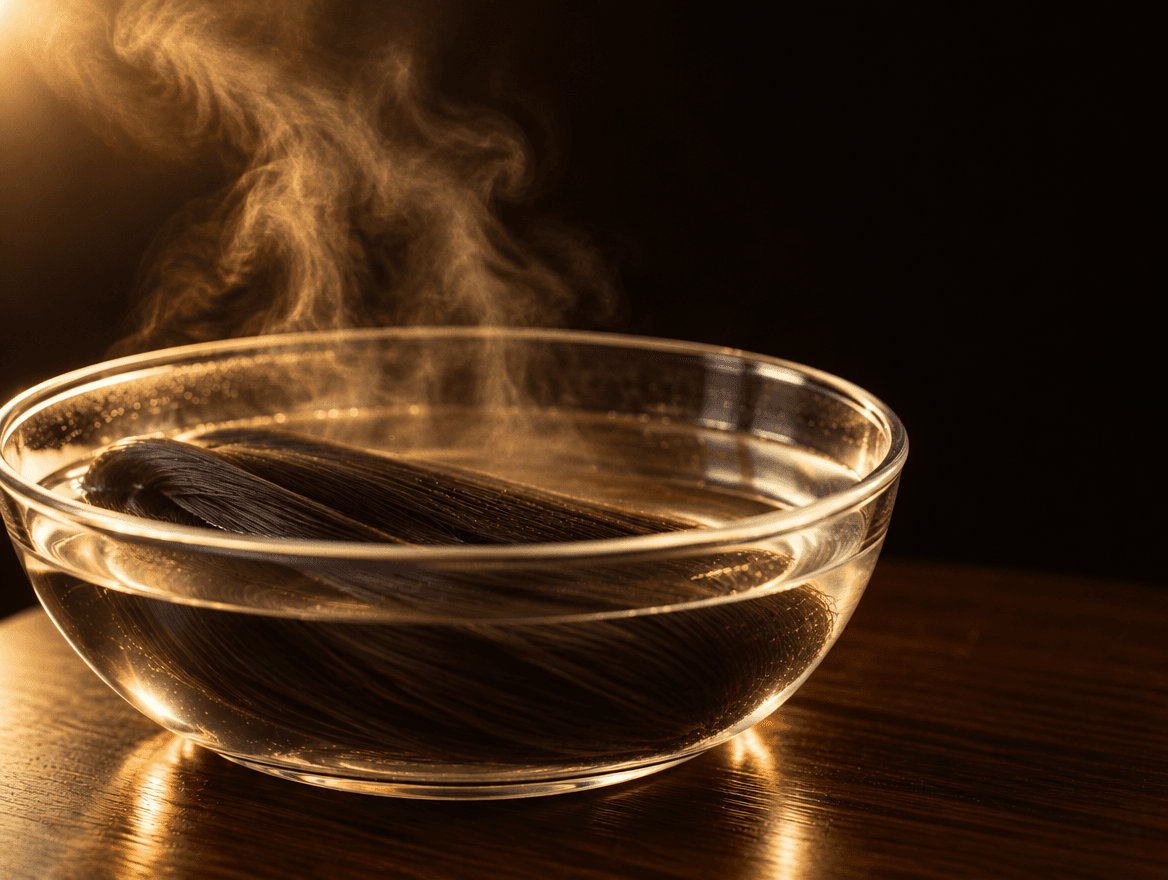 AI illustration
If you've been on TikTok in the last year, you've seen it: a pack of braiding hair, a bowl of apple cider vinegar, and a caption about "toxins." Some of that worry is real. Some of it isn't. Here's what the testing actually found.
The first test: February 2025
Consumer Reports tested 10 popular synthetic braiding hair products, two samples each. What they reported:
- Every product contained at least one chemical classified as a known, probable or possible carcinogen.
- Lead showed up in 9 of the 10 products.
- All of them gave off volatile organic compounds (VOCs), gases that come off a material, when heated to 212°F, about the temperature of the hot water used to seal ends.
Some manufacturers disputed the methods. And, importantly, Consumer Reports said itself that it did not measure how much of any of this actually gets into your body while you wear braids. The lead benchmark it compared against is based on swallowing, not wearing.
The follow-up: February 2026
A year later, Consumer Reports widened the test to 30 products from 29 brands, including human hair and "plant-based" or "non-toxic" hair. Lead showed up in 29 of the 30, and the human hair products had some of the highest levels. Every product released detectable VOCs.
What the research doesn't say
It doesn't say braids give you cancer. Nobody has measured real-world exposure from wearing braids yet, and that's a real gap. What we can say honestly is: some of these chemicals are ones you'd rather keep your exposure low to, and there are easy ways to do that.
About that apple cider vinegar soak
A 2025 review by dermatologists looked through the medical literature for any study showing that an apple cider vinegar rinse removes lead, carcinogens or other chemicals from synthetic hair. They found none, and called it an anecdotal remedy.
A rinse might wash off surface residue, the coating that makes some people itch. That's fine if it helps you. Just don't treat it as a detox.
Simple steps that lower exposure
These come straight from the testing and the lab research on heated hair:
- Don't overheat or burn the ends. A small lab study found that heating or singeing synthetic hair released chemicals including benzene and acetone. Consumer Reports advises against burning ends or boiling installs, so use hot (not boiling) water to seal and keep flames to a minimum.
- Air out the room while ends are being sealed.
- Wash your hands after handling braiding hair, and keep packs away from little ones who put things in their mouths.
- Take breaks between installs instead of going braid to braid all year.
- Stick to sensible wear times, about 6 to 8 weeks.
Itchy after an install?
Some itch in the first days can come from tension or residue. But some people are truly sensitive to synthetic hair, especially those with eczema or allergies. Dermatologists have reported irritant reactions, and a 2025 review names dyes, fragrances and chemicals in glues as common culprits.
Our take
Braids are part of our culture and our craft, and they're not going anywhere. The answer isn't fear. It's better information, gentler habits and asking questions about what goes on your head. If you want to talk about hair options before your appointment, just ask when you book.
Sources
- Consumer Reports: Dangerous chemicals detected in braiding hair (Feb 2025)
- Consumer Reports: Braiding hair follow-up test (Feb 2026)
- Auguste & Miller, "VOC emissions from heated synthetic hair: a pilot study," Environmental Health Insights 2020
- Ogah & Kindred, "Assessing the merit of the apple cider vinegar rinse method for synthetic hair extensions," Cutis 2025
- Collins & Yu, "Contact sensitization to allergens in synthetic hair," Dermatitis 2025
- NBC4 Washington coverage
For education, not medical advice. If you have pain, bumps, sores or thinning that won't settle, please see a board-certified dermatologist.